





Imagine a bustling city where all the roads suddenly have major potholes, causing traffic jams and accidents. That’s similar to what happens in the brain with periventricular leukomalacia (PVL).
In this article, we’ll explore how PVL creates these “potholes” in the brain’s white matter.
Our birth injury attorneys also dive into the symptoms and causes of PVL, and uncover its strong link to cerebral palsy.
What is Periventricular Leukomalacia?
Periventricular leukomalacia (PVL) is a type of brain injury. It affects white matter near the brain’s ventricles, causing cells to die. This creates holes and empty spaces. Since this area is important for sending signals to the brain, children with PVL often have problems with movement and thinking.
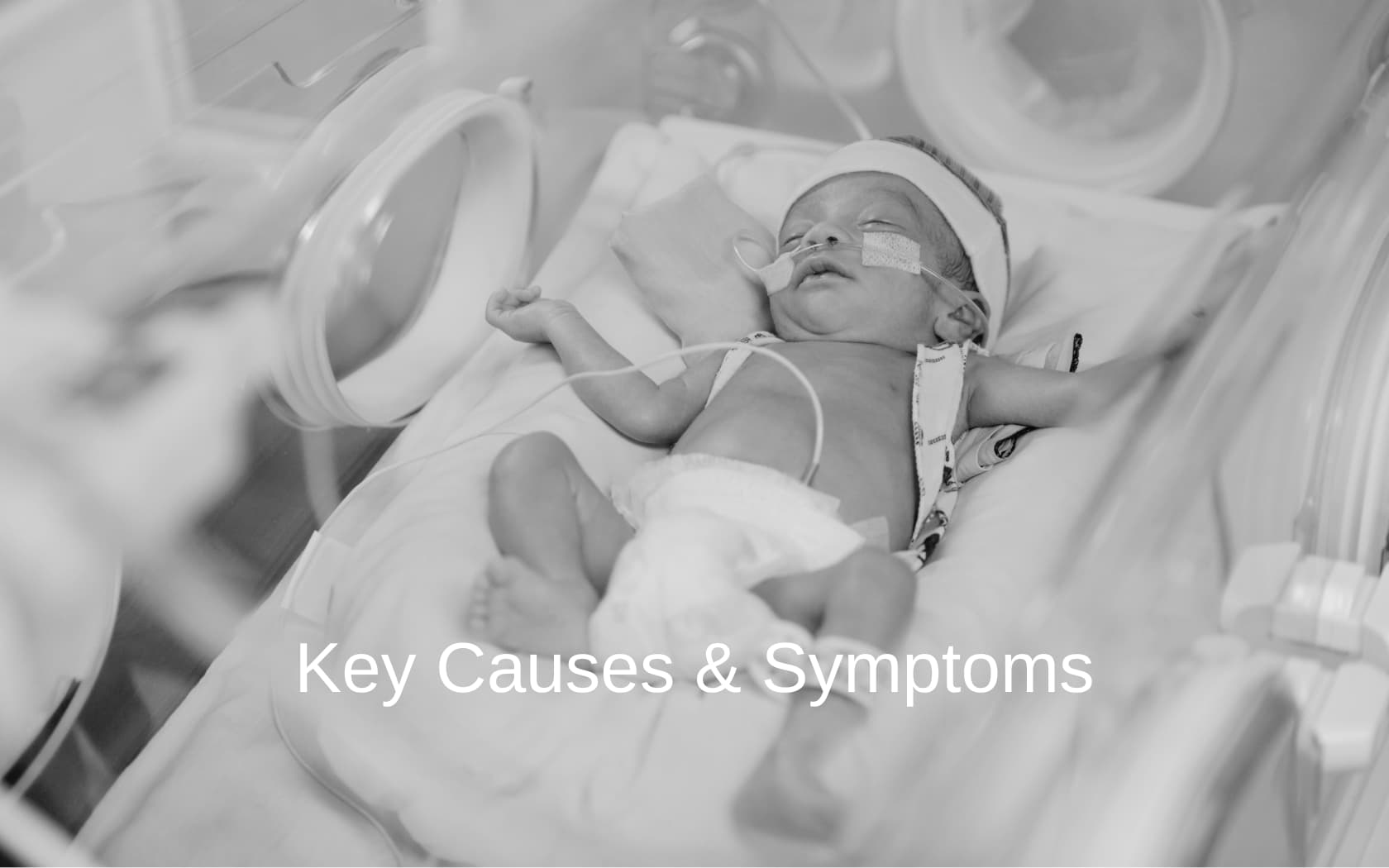
PVL mainly affects premature babies. The smaller the baby at birth, the higher the risk. According to Boston Children’s Hospital, PVL is common in very premature babies with low birth weight. It’s the second most common central nervous system complication in preemies.
Mild periventricular leukomalacia is a less severe form, but it can still cause issues.
What Causes Periventricular Leukomalacia?
There are several causes of PVL. The main cause is a lack of blood flow to the brain before, during, or after birth. This lack of blood flow means the brain doesn’t get enough oxygen.
This can happen if the mother has an infection during pregnancy, such as chorioamnionitis. It can also happen if the baby has trouble breathing after birth.
Other causes of PVL include:
- Inflammation in the baby’s brain
- Intraventricular hemorrhage
- Changes in blood pressure
- Drug use while pregnant
- Having twins
- Performing a C-section too late
- Inflammation in the umbilical cord
- Early amniotic sac rupture
PVL damage is permanent. Once cells die, they can’t regenerate. But knowing the causes of PVL can help doctors take steps to prevent it.
Physicians who fail to follow protocol during pregnancy and delivery can commit negligent actions that lead to PVL. These cases of periventricular leukomalacia are preventable.
If you believe your child has PVL because of a doctor’s mistake, please contact us to review your case.

Periventricular Leukomalacia Symptoms
The symptoms of PVL brain damage range from mild to severe. They often show up in the first few years of life.
Babies with PVL may have trouble controlling their muscles. They might be very stiff or very floppy. They might have trouble feeding or swallowing.
Some babies with mild periventricular leukomalacia might not have any symptoms at first. But as they grow, you might notice they have trouble with coordination or balance.
Other symptoms of PVL brain damage include:
- “Scissor” walking (knees crossing while walking)
- Hearing and vision problems
- Tight leg muscles
- Poor body control and eye control
- Trouble with learning and thinking
- Developmental problems
Keep in mind that the symptoms of PLV depend on how severe the white matter damage is. In mild cases there may be no physical symptoms at all, just cognitive delays.
This isn’t an exhaustive list. But here are the most common periventricular leukomalacia symptoms:
Developmental Delays
“My baby isn’t hitting his milestones.” That’s what you should tell your pediatrician if you notice your child isn’t sitting up, crawling, or walking when it’s age appropriate to do so. Reaching developmental milestones can be a challenge for children with PLV.
Muscle Weakness or Stiffness
PVL can affect a child’s muscle tone. It can cause stiffness or weakness in the arms, legs, or trunk. This may make it difficult for the child to move or control their movements.
Vision or Hearing Impairments
Sometimes PLV involves damage to the areas of the brain that control vision and hearing.
In those cases, periventricular leukomalacia symptoms could include blurred vision, double vision, or difficulty hearing.
Intellectual Disabilities
Children with PVL may have difficulties with learning, memory, attention, and other cognitive functions. These disabilities may range from mild to severe.
Seizures
PVL can increase the risk of seizures in some children. These seizures may be focal or generalized. They may occur at any time during the child’s development.
Spastic Diplegia
A common symptom of severe PLV is spastic diplegia. It is a type of cerebral palsy that affects the lower half of the body. Children with this condition have trouble walking and may learn to walk on “tippy toes”.
Periventricular Leukomalacia and Cerebral Palsy
PVL can lead to a condition called cerebral palsy (CP). CP affects movement and muscle tone. It happens because of brain damage before, during, or after birth. Periventricular leukomalacia cerebral palsy is a common type of CP in premature babies.
The link between PVL and cerebral palsy is strong—you might say they’re “sister” conditions. According to the Cleveland Clinic, of the 20,000-30,000 children who have PVL, 7,000 develop cerebral palsy.
Treatment for PVL and Cerebral Palsy
There’s no cure for PVL or cerebral palsy. Treatment focuses on managing symptoms and improving a child’s quality of life. For example:
- Physical therapy can strengthen muscles and improve movement.
- Occupational therapy can help a child learn daily skills like dressing and eating.
- Speech therapy helps with talking and swallowing.
Also, a child with periventricular leukomalacia or cerebral palsy can take medications to reduce muscle stiffness and spasms. In severe cases, surgery can correct bone and muscle problems. Children with PVL cerebral palsy might use braces or wheelchairs for better mobility.
Note that neither PVL nor cerebral palsy are progressive. That means they don’t get worse over time. Early, intensive treatment is key. After that, make sure your child gets regular check ups and help from specialists.
Severe vs. Mild Periventricular Leukomalacia
If your child has mild periventricular leukomalacia, there are less “holes” in the white matter. You can expect them to have some challenges, like mild muscle stiffness, slight coordination issues, or subtle learning difficulties. But with patience, support, and proper treatment, many children with mild PVL lead active and fulfilling lives.
Children with severe PVL often have severe muscle issues. It’s like trying to navigate a road full of potholes—there’s going to be mobility problems. Severe PVL causes symptoms like:
- Severe muscle stiffness (spasticity)
- Significant motor and coordination difficulties
- Vision and hearing problems
- Major cognitive impairments.
Your child may need special equipment, like braces or wheelchairs, to assist with mobility.

Is PVL/Cerebral Palsy Preventable?
PVL and cerebral palsy aren’t always preventable. But taking steps like getting adequate prenatal care can reduce the risk. This helps monitor the baby’s health and catch any issues early. For example, avoiding infections in pregnancy is important because they’re linked to PVL.
Legal Help for Your Child’s PVL Brain Injury
Children with periventricular leukomalacia need extra care beyond routine doctor “check-ups”. Many grow up to lead healthy, independent adult lives. But they will need assistance, therapy, and treatment to get there.
Treatment may include speech therapy, physical therapy, occupational therapy, medication, and surgery. As you think of everything your child will need for a better quality of life, one important question comes to mind. “How am I going to pay for this?”
In some cases, PVL and cerebral palsy can result from medical malpractice. Examples include not properly monitoring the baby’s oxygen levels, failing to treat infections, or mishandling a difficult delivery.
Doctors receive training to prevent PVL. If your physicians broke protocol, your child’s injury may be their fault. You may be able to file a medical malpractice lawsuit against them.
The purpose of this lawsuit is threefold:
- First, you deserve justice for a doctor’s wrongdoing.
- Second, you may receive compensation. You can apply these funds to your child’s existing and future medical bills.
- Third, filing a PVL brain injury lawsuit brings awareness to delivery negligence. You can help prevent physicians from making the same mistake twice.
Please note that each state puts a time limit on how long you have to file. The limit may be just 2 years from the time of injury. If you notice your child presents periventricular leukomalacia symptoms, don’t wait.
Contact our birth injury lawyers for a free case review.